Introduction
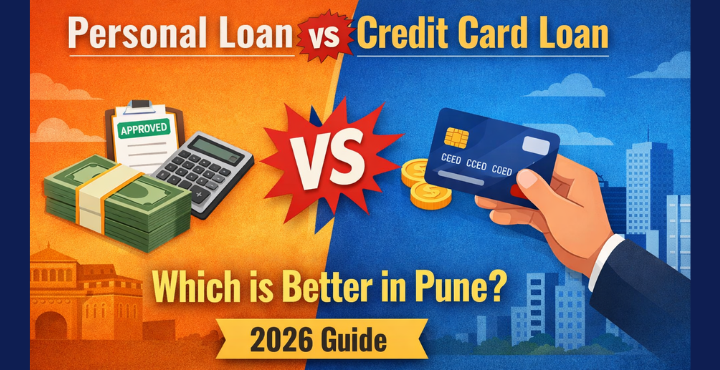
When people need extra money for emergencies, travel, medical expenses, or large purchases, the two most common borrowing options in India are personal loans and credit cards. Both allow you to borrow money from a bank or financial institution, but they work very differently.
Many beginners struggle to decide which option is better. Should you use a credit card for short-term expenses, or should you take a personal loan with fixed monthly payments?
Understanding the difference between these two financial tools can help you make smarter financial decisions and avoid unnecessary debt.
In this comprehensive guide, you will learn:
- What personal loans and credit cards are
- Key differences between the two
- Advantages and disadvantages of each
- When to use a personal loan
- When to use a credit card
- Interest rates and repayment structure
- Tips for responsible borrowing
If you are new to personal finance and want to understand the best option for your financial needs, this guide will give you all the answers.
Table of Contents
- What Is a Personal Loan?
- What Is a Credit Card?
- How Personal Loans Work in India
- How Credit Cards Work in India
- Key Differences Between Personal Loans and Credit Cards
- Advantages of Personal Loans
- Advantages of Credit Cards
- When Should You Choose a Personal Loan?
- When Should You Use a Credit Card?
- Interest Rates Comparison
- Impact on Credit Score
- Risks and Common Mistakes
- Educational Videos
- Internal Links to Other Financial Guides
- Frequently Asked Questions
- Conclusion
What Is a Personal Loan?
A personal loan is a type of unsecured loan provided by banks and financial institutions that allows individuals to borrow a fixed amount of money and repay it in monthly installments over a predetermined period.
Personal loans usually range from ₹50,000 to ₹40 lakh, depending on your income and credit profile.
Banks offering personal loans include:
- HDFC Bank
- ICICI Bank
- State Bank of India
- Axis Bank
Unlike home loans or car loans, personal loans usually do not require collateral.
You can use them for:
- Medical emergencies
- Weddings
- Travel expenses
- Home renovation
- Debt consolidation
For more detailed information about personal loans, financial websites like
Moneycontrol and
BankBazaar provides loan comparisons and financial advice.
What Is a Credit Card?
A credit card is a payment tool issued by banks that allows you to borrow money up to a predetermined credit limit for purchases.
Instead of borrowing a large lump sum like a personal loan, credit cards allow flexible borrowing.
You can use credit cards for:
- Online shopping
- Travel bookings
- Restaurant payments
- Utility bills
Credit cards also offer rewards such as cashback and reward points.
Credit scores in India are tracked by credit bureaus such as
TransUnion CIBIL.
Maintaining responsible credit card usage can improve your credit score over time.
How Personal Loans Work in India


4
The personal loan process usually follows these steps:
- The borrower applies for a loan from a bank or lender.
- The bank evaluates credit score, income, and employment history.
- If approved, the bank transfers the loan amount to your account.
- You repay the loan through monthly EMIs (Equated Monthly Installments).
Loan tenure typically ranges between 1 and 5 years.
How Credit Cards Work in India


4
Credit cards operate on a billing cycle.
Example cycle:
- Billing period: 30 days
- Payment due date: 20 days later
If you pay the full balance before the due date, you usually pay no interest.
If you carry forward the balance, interest charges apply.
Credit card interest rates can be significantly higher than personal loan interest rates.
Key Differences Between Personal Loans and Credit Cards
| Feature | Personal Loan | Credit Card |
|---|---|---|
| Borrowing Type | Lump sum | Revolving credit |
| Interest Rate | Lower | Higher |
| Repayment | Fixed EMI | Flexible payments |
| Loan Tenure | Fixed duration | Continuous credit |
| Spending Control | One-time borrowing | Multiple transactions |
Understanding these differences helps you choose the right financial tool.
Advantages of Personal Loans
Personal loans offer several benefits.
Fixed Repayment Schedule
You know exactly how much you need to repay each month.
Lower Interest Rates
Compared to credit cards, personal loans generally have lower interest rates.
Suitable for Large Expenses
Personal loans are ideal for expenses like weddings or medical emergencies.
Advantages of Credit Cards


4
Credit cards also provide many advantages.
Convenience
Credit cards are widely accepted for payments both online and offline.
Rewards and Cashback
Many credit cards offer reward points and cashback on purchases.
Short-Term Borrowing
Credit cards are ideal for short-term borrowing when you can repay quickly.
When Should You Choose a Personal Loan?
A personal loan may be the better option in situations such as:
- You need a large amount of money
- You want predictable monthly payments
- You need longer repayment periods
Examples:
- Wedding expenses
- Medical procedures
- Home renovation
When Should You Use a Credit Card?
Credit cards are better suited for smaller expenses.
Examples include:
- Online shopping
- Travel bookings
- Emergency purchases
Credit cards are especially useful when you can repay the balance within the interest-free period.
Interest Rates Comparison
Personal loan interest rates in India usually range between 10% and 20% annually.
Credit card interest rates can reach 30% to 45% annually if balances are carried forward.
Because of this difference, long-term borrowing through credit cards can become expensive.
Impact on Credit Score
Both personal loans and credit cards affect your credit score.
Maintaining responsible repayment habits improves your credit score.
Credit bureaus like
TransUnion CIBIL monitors credit history and repayment behavior.
Factors affecting credit score include:
- Payment history
- Credit utilization
- Credit history length
Risks and Common Mistakes
Borrowing money always carries risks.
Common mistakes include:
- Missing EMI payments
- Paying only the minimum credit card balance
- Taking loans beyond repayment capacity
- Using credit cards for unnecessary purchases
Avoiding these mistakes helps maintain financial stability.
Educational Videos
Watching educational videos can help beginners understand borrowing strategies and financial planning.
You can explore financial education channels and personal finance guides online.
Internal Links to Other Financial Guides
If you run a finance blog, this article can link to other helpful topics such as
- How to Start Investing in India
- Best SIP Plans for Beginners
- Affiliate Marketing for Beginners
- Passive Income Ideas in India
Internal linking improves SEO and helps readers discover more useful information.
Frequently Asked Questions
Which is better: a personal loan or a credit card?
It depends on your financial needs. Personal loans are better for large expenses, while credit cards are better for short-term spending.
Do personal loans affect credit scores?
Yes, timely repayment improves your credit score.
Are credit cards safer than cash?
Credit cards often offer fraud protection and transaction monitoring.
Can I convert credit card payments into EMIs?
Yes, many banks allow converting large purchases into EMIs.
Is it good to have both a credit card and a personal loan?
Yes, using both responsibly can help build a strong credit history.
Conclusion
Personal loans and credit cards are both useful financial tools, but they serve different purposes.
Personal loans are ideal for large, planned expenses with structured repayment plans. Credit cards are more suitable for everyday spending and short-term borrowing.
The best option depends on your financial goals, repayment ability, and spending habits.
By understanding the differences between personal loans and credit cards, you can make informed financial decisions and manage your money more effectively.