Introduction
Paying income tax is a legal responsibility for every earning individual in India. However, many people end up paying more tax than necessary simply because they are unaware of the legal deductions and exemptions available under Indian tax laws.
The Indian government provides several tax-saving provisions that allow individuals to reduce their taxable income legally. These include deductions for investments, insurance premiums, home loans, retirement savings, and more.
If you understand these provisions and plan your finances properly, you can save thousands or even lakhs of rupees every year in taxes.
In this comprehensive guide, you will learn:
- What income tax is and how it works in India
- Legal ways to reduce your tax liability
- Tax-saving investments under Section 80C
- How health insurance can reduce taxes
- How home loans help reduce taxes
- Strategies used by financial experts to minimize taxes
This guide is ideal for salaried employees, freelancers, business owners, and beginners who want to manage their taxes efficiently.
Table of Contents
- What Is Income Tax?
- How Income Tax Works in India
- Old Tax Regime vs New Tax Regime
- Best Legal Ways to Reduce Income Tax
- Tax-Saving Investments Under Section 80C
- Health Insurance Tax Benefits (Section 80D)
- Home Loan Tax Benefits
- Education Loan Tax Benefits
- National Pension System (NPS) Tax Benefits
- Tax-Saving Fixed Deposits
- Donations and Charity Tax Benefits
- Additional Tax Saving Strategies
- Photos & Screenshots Explaining Tax Saving Concepts
- Videos Explaining Income Tax Planning
- Internal Links to Other Financial Guides
- Frequently Asked Questions
- Conclusion
What Is Income Tax?
Income tax is a direct tax that individuals and businesses must pay to the government based on their income.
The tax collected by the government is used for:
- Infrastructure development
- Public services
- Healthcare
- Education
- National defense
Income tax in India is governed by the Income Tax Act, 1961 and managed by the
Income Tax Department of India.
For official tax rules and filing information, you can visit the official tax portal:
How Income Tax Works in India

4
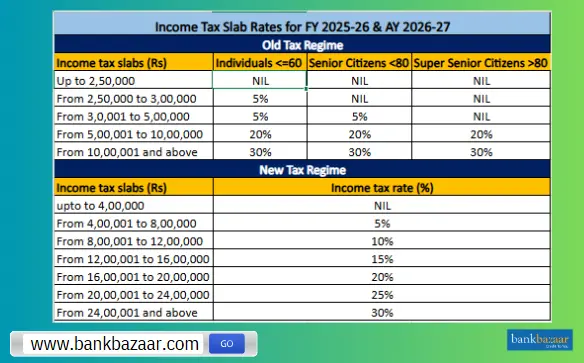
Income tax in India is calculated based on your taxable income, which is determined after deducting eligible exemptions and deductions.
Steps involved:
- Calculate your total income
- Subtract eligible deductions
- Determine taxable income
- Apply tax slab rates
Your tax rate depends on your annual income and whether you choose the old tax regime or new tax regime.
Financial comparison platforms such as
BankBazaar
and
Paisabazaar
offer calculators that help estimate your tax liability.
Old Tax Regime vs New Tax Regime
The Indian government introduced the new tax regime to simplify tax calculations.
Old Tax Regime
Allows deductions such as:
- Section 80C investments
- Health insurance
- Housing loan interest
- Education loan interest
New Tax Regime
Offers lower tax rates but removes most deductions.
Choosing the right regime depends on your investment habits and deductions.
Best Legal Ways to Reduce Income Tax
There are several legal strategies to reduce your income tax.
These include:
- Investing in tax-saving instruments
- Buying health insurance
- Claiming home loan deductions
- Contributing to retirement schemes
- Claiming education loan interest
These strategies are fully compliant with tax regulations.
Tax-Saving Investments Under Section 80C
Section 80C is one of the most popular tax-saving provisions.
It allows individuals to claim deductions up to ₹1.5 lakh per year.
Popular investments under Section 80C include:
Public Provident Fund (PPF)
PPF offers tax-free returns and long-term savings.
Equity Linked Savings Scheme (ELSS)
ELSS mutual funds provide market-linked returns with tax benefits.
Employee Provident Fund (EPF)
Mandatory savings scheme for salaried employees.
National Savings Certificate (NSC)
Government-backed investment option.
Financial education websites such as
Moneycontrol
and
Groww
provide detailed comparisons of tax-saving investments.
Health Insurance Tax Benefits (Section 80D)


4
Section 80D allows tax deductions for health insurance premiums.
Deduction limits:
- ₹25,000 for self and family
- ₹50,000 for senior citizen parents
Health insurance not only reduces taxes but also protects against medical emergencies.
Popular insurers include:
- Star Health Insurance
- ICICI Lombard
- HDFC ERGO
Home Loan Tax Benefits
Home loans offer two major tax deductions.
Section 80C
Principal repayment deduction up to ₹1.5 lakh.
Section 24
Interest deduction up to ₹2 lakh per year.
These benefits make home loans one of the most powerful tax-saving tools.
Education Loan Tax Benefits
Interest paid on education loans qualifies for deduction under Section 80E.
This deduction has no upper limit, making it valuable for individuals repaying higher education loans.
National Pension System (NPS) Tax Benefits
The National Pension System is a retirement savings scheme regulated by the
Pension Fund Regulatory and Development Authority.
Tax benefits include:
- ₹1.5 lakh under Section 80C
- Additional ₹50,000 under Section 80CCD(1B)
This makes NPS a powerful retirement planning tool.
Tax-Saving Fixed Deposits
Tax-saving FDs offer a lock-in period of 5 years.
They qualify for deductions under Section 80C.
Many banks offer these deposits, including:
- State Bank of India
- HDFC Bank
Donations and Charity Tax Benefits
Donations to approved charitable institutions qualify for deductions under Section 80G.
Examples include contributions to government relief funds and approved NGOs.
Always keep donation receipts for tax filing.
Additional Tax Saving Strategies
Other strategies include:
- Claiming House Rent Allowance (HRA)
- Standard deduction for salaried employees
- Leave travel allowance
- Business expense deductions for freelancers
Proper financial planning helps maximize these benefits.
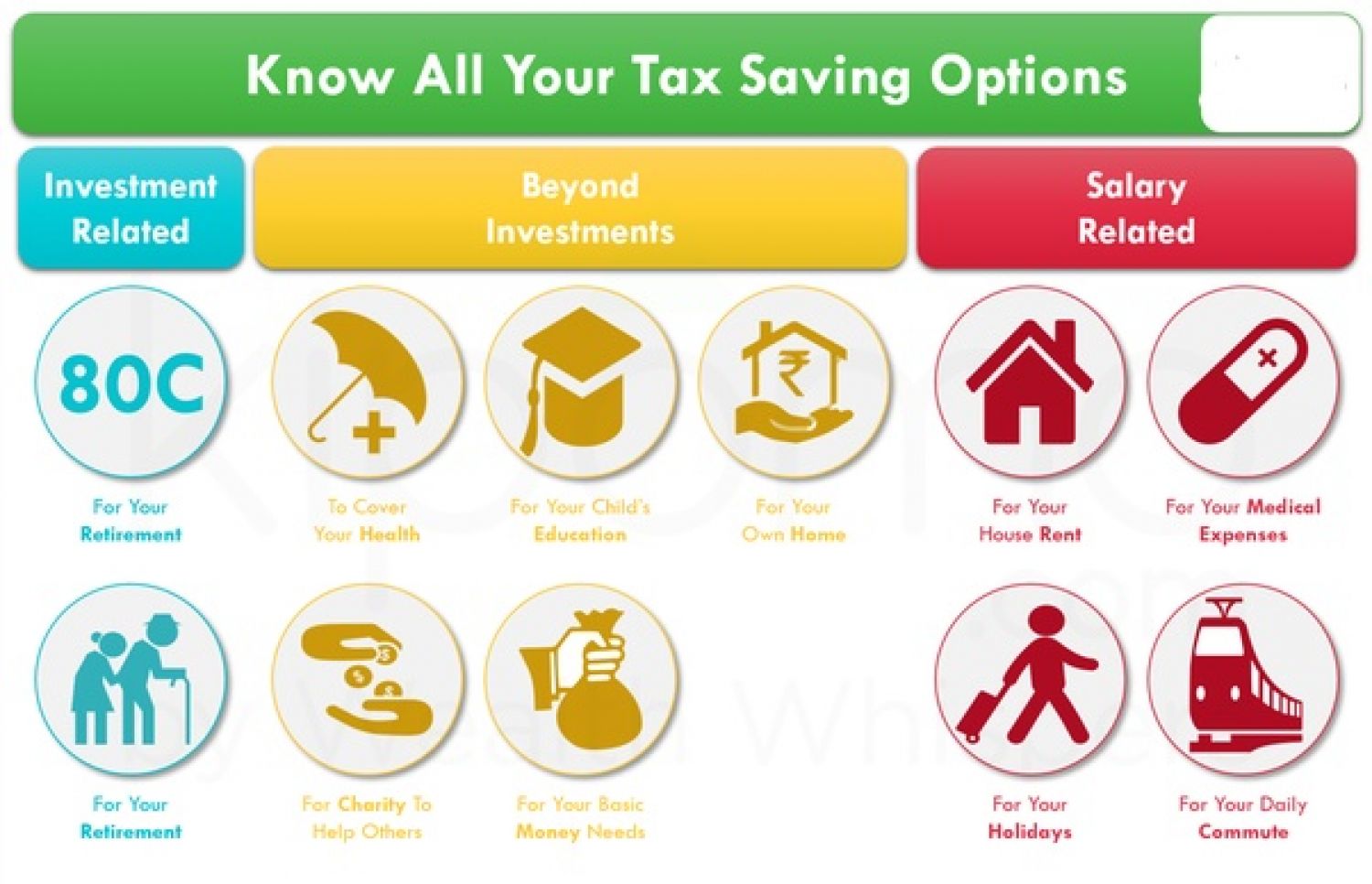
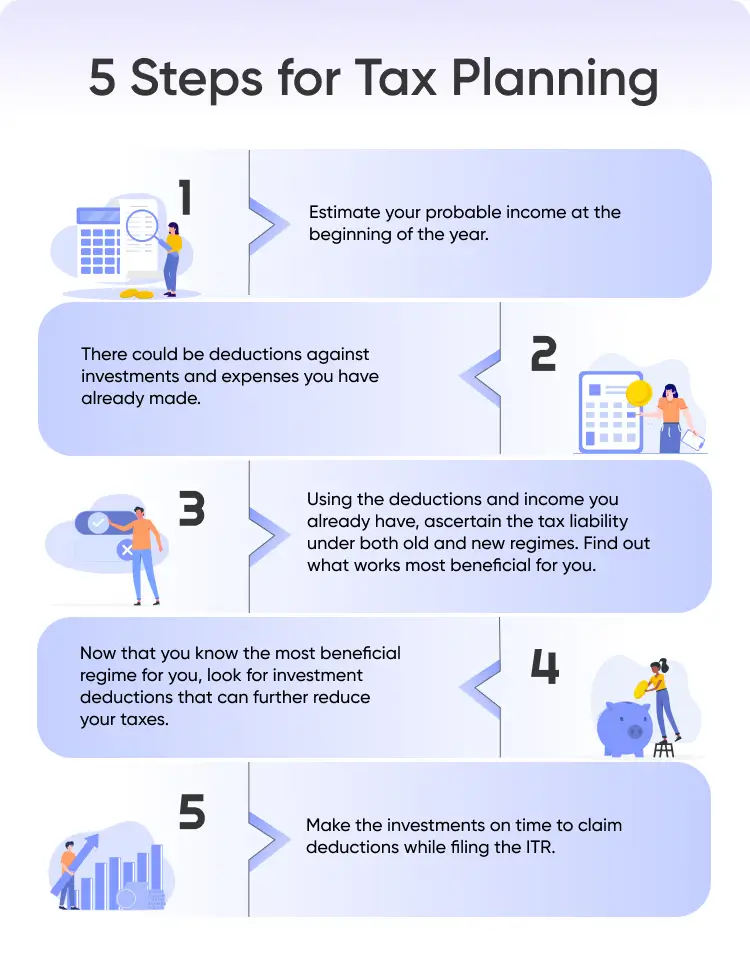
Photos & Screenshots Explaining Tax Saving Concepts

4
Visual tools like tax planning charts help individuals understand deductions and tax structures more easily.
Videos Explaining Income Tax Planning
Watching financial education videos can help beginners understand tax planning strategies in simple terms.
Internal Links to Other Financial Guides
To improve your financial knowledge further, you can explore related topics such as:
- Best SIP Plans for Beginners
- How to Start Investing in India
- Affiliate Marketing for Beginners
- Passive Income Ideas in India
Internal linking helps readers navigate financial topics easily.
Frequently Asked Questions
How can I legally reduce my income tax?
You can reduce taxes through investments, insurance deductions, home loan deductions, and retirement savings.
What is the maximum deduction under Section 80C?
The maximum deduction allowed under Section 80C is ₹1.5 lakh per year.
Is health insurance tax deductible?
Yes, health insurance premiums qualify for tax deductions under Section 80D.
Which tax regime is better?
It depends on your deductions. The old regime benefits individuals with many deductions, while the new regime offers lower tax rates but fewer deductions.
Can freelancers reduce income tax?
Yes, freelancers can claim business expenses, deductions, and retirement contributions.
Conclusion
Reducing income tax legally requires proper financial planning and awareness of available deductions. By utilizing tax-saving investments, insurance benefits, and housing loan deductions, individuals can significantly reduce their taxable income.
Understanding the tax system and planning your finances accordingly will not only reduce your tax burden but also help you build long-term wealth.
The key is to start planning early and take advantage of all available tax-saving opportunities.