Introduction
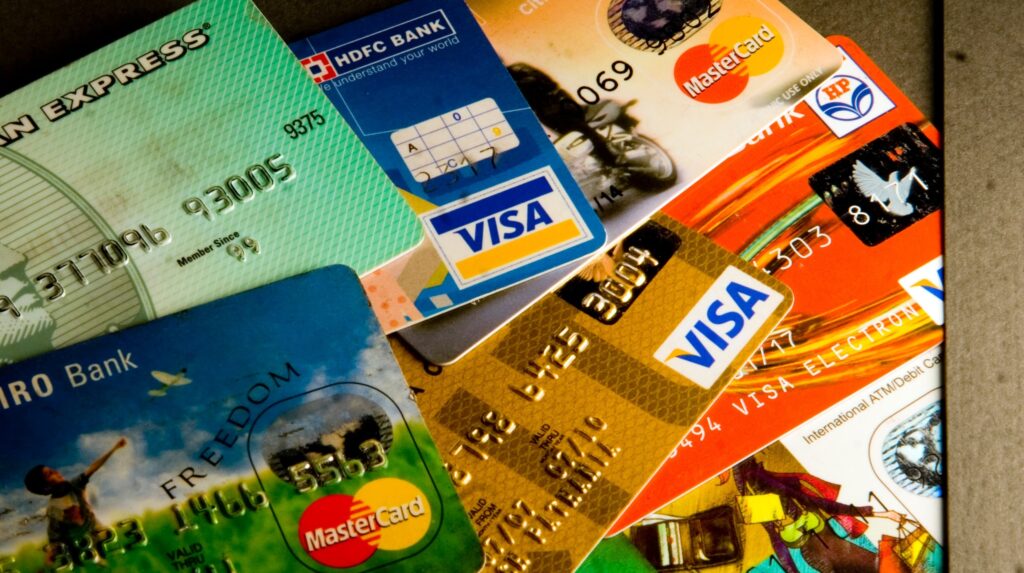
Credit cards can be powerful financial tools when used responsibly. For beginners in India, choosing the right credit card is essential because it can help you build a strong credit score, manage expenses, earn rewards, and access benefits like cashback, travel perks, and purchase protection.
Many people in India are hesitant to get their first credit card because they worry about debt or hidden charges. However, when used properly—paying bills on time and avoiding unnecessary spending—credit cards can actually help improve your financial profile and make everyday purchases more rewarding.
In this comprehensive beginner’s guide, you will learn:
- What a credit card is and how it works
- How beginners can get their first credit card in India
- The best beginner-friendly credit cards in India
- Tips to use credit cards responsibly
- Common mistakes to avoid
- How credit cards impact your credit score
If you are new to credit cards and want to choose the best one to start your financial journey, this guide will help you make an informed decision.
Table of Contents
- What Is a Credit Card?
- How Credit Cards Work in India
- Benefits of Credit Cards for Beginners
- Best Credit Cards in India for Beginners
- How to Choose Your First Credit Card
- Eligibility Requirements for Credit Cards in India
- How to Apply for a Credit Card
- Tips to Use Credit Cards Responsibly
- Common Credit Card Mistakes to Avoid
- Credit Cards vs Debit Cards
- Videos to Learn About Credit Cards
- Frequently Asked Questions
- Conclusion
What Is a Credit Card?
A credit card is a financial tool issued by banks and financial institutions that allows you to borrow money to make purchases. Instead of using your own money (as you would with a debit card), you use the bank’s money and repay it later.
Most credit cards come with a billing cycle of around 30 days. At the end of this period, you receive a statement showing all your transactions. You must then pay the outstanding amount before the due date to avoid interest charges.
Major banks in India offering credit cards include:
- HDFC Bank
- ICICI Bank
- State Bank of India
- Axis Bank
These banks provide various credit cards designed for beginners, professionals, and frequent travelers.
How Credit Cards Work in India


4
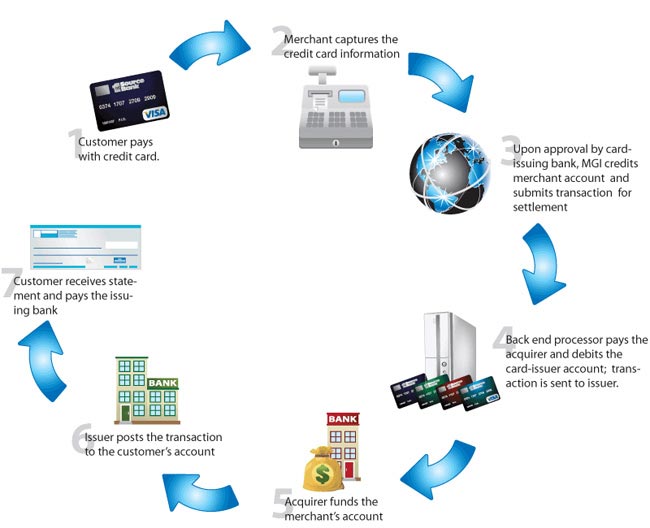
A typical credit card cycle works like this:
- You make purchases using your credit card.
- The bank pays the merchant on your behalf.
- At the end of the billing cycle, you receive a statement.
- You repay the amount before the due date.
If you pay the full amount, you usually pay no interest.
If you pay only the minimum due, the remaining balance will accumulate interest.
Many banks in India provide interest-free periods ranging from 20 to 50 days.
For more information about how credit cards function, you can read detailed guides on reputable financial websites like
Moneycontrol and
BankBazaar.
Benefits of Credit Cards for Beginners
Credit cards offer many advantages if used responsibly.
1. Build Credit Score
A good credit history helps you qualify for loans such as:
- Home loans
- Car loans
- Personal loans
Credit scores in India are tracked by organizations like
TransUnion CIBIL.
2. Rewards and Cashback
Many beginner cards offer rewards on everyday purchases such as:
- Online shopping
- Fuel purchases
- Dining
- Travel bookings
3. Emergency Financial Backup
Credit cards can help during unexpected expenses such as medical bills or urgent travel bookings.
4. Purchase Protection
Some credit cards offer protection against:
- Fraudulent transactions
- Lost or stolen cards
- Purchase damage protection
Best Credit Cards in India for Beginners

4
Here are some beginner-friendly credit cards available in India.
1. HDFC MoneyBack Credit Card
Issuer: HDFC Bank
Key Features:
- Cashback on online purchases
- Reward points on spending
- Easy approval for beginners
This card is ideal for people who frequently shop online.
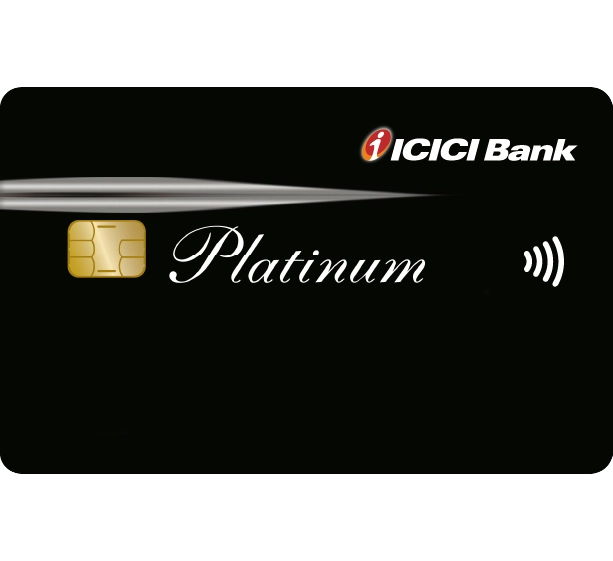
2. ICICI Platinum Chip Credit Card
Issuer: ICICI Bank
Benefits:
- No joining fee
- Contactless payments
- Reward points for transactions
Good option for first-time credit card users.
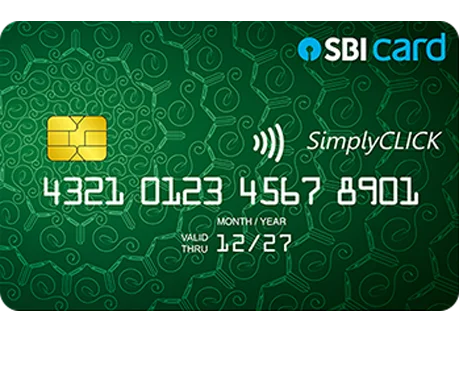
3. SBI SimplyClick Credit Card
Issuer: State Bank of India
Features:
- Extra rewards on online shopping
- Partner offers with e-commerce platforms
- Low annual fee
4. Axis Bank Neo Credit Card
Issuer: Axis Bank
Benefits:
- Discounts on online platforms
- Utility bill cashback
- Entertainment benefits
How to Choose Your First Credit Card
Choosing the right credit card depends on your spending habits.
Consider these factors:
Annual Fee
Some credit cards are lifetime free, while others charge annual fees.
Rewards Structure
Check if the rewards match your lifestyle.
For example:
- Travel rewards
- Cashback
- Shopping benefits
Interest Rate
Interest rates typically range between 30% to 42% annually in India.
Eligibility Requirements for Credit Cards in India
Most banks require the following criteria:
Age: 18 to 60 years
Stable income
Valid identity documents
Good credit history (sometimes optional for beginners)
Common documents required:
- PAN card
- Aadhaar card
- Income proof
For beginners without credit history, banks may offer secured credit cards backed by fixed deposits.
How to Apply for a Credit Card
Applying for a credit card in India is simple.
Steps:
- Visit your bank’s website.
- Choose the credit card you want.
- Fill out the online application form.
- Submit required documents.
- Wait for approval.
You can also compare credit cards through financial comparison websites like
Paisabazaar.
Tips to Use Credit Cards Responsibly

4
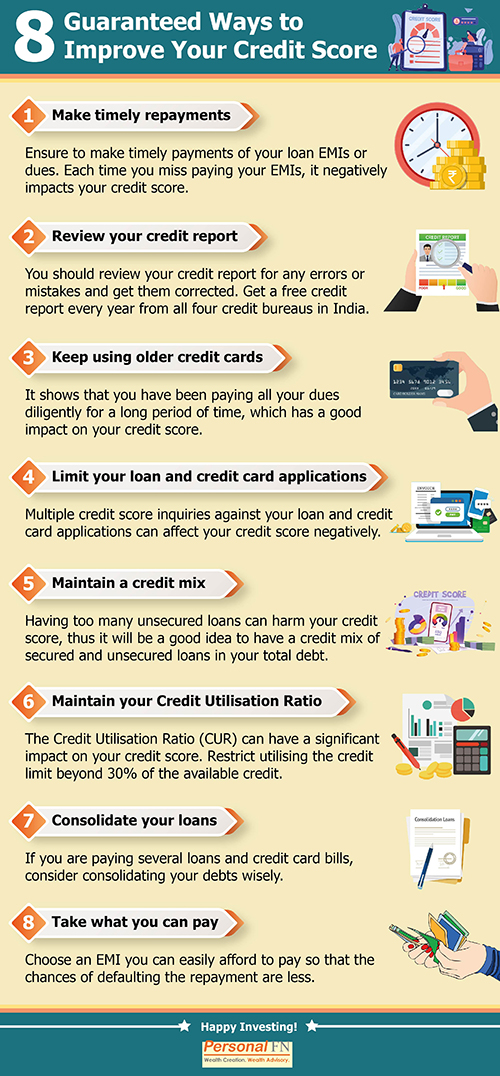
Using credit cards wisely helps avoid debt.
Important tips:
Pay Your Bill on Time
Late payments damage your credit score and incur penalties.
Use Less Than 30% of Limit
This improves your credit utilization ratio.
Track Your Spending
Avoid overspending by monitoring transactions regularly.
Common Credit Card Mistakes to Avoid
Many beginners make these mistakes:
- Paying only the minimum due
- Missing payment deadlines
- Applying for too many credit cards
- Using credit cards for unnecessary purchases
Avoiding these mistakes will help you maintain financial discipline.
Credit Cards vs Debit Cards
Credit cards and debit cards serve different purposes.
| Feature | Credit Card | Debit Card |
|---|---|---|
| Money Source | Bank’s money | Your bank balance |
| Interest | Yes (if unpaid) | No |
| Credit Score Impact | Yes | No |
| Rewards | Often available | Rare |
Both tools are useful, but credit cards provide additional benefits such as building credit history.
Videos to Learn About Credit Cards
Watching educational videos can help beginners understand credit card usage more clearly.
Search topics such as:
- “How credit cards work in India”
- “Best credit cards for beginners India”
- “How to build credit score in India”
These tutorials often explain concepts like billing cycles, rewards, and interest calculations in simple terms.
Internal Links to Other Posts
If you run a finance blog, you can link this article to related posts such as:
- How to Start Investing in India
- Best SIP Plans for Beginners
- Passive Income Ideas in India
- Affiliate Marketing for Beginners
Internal links improve user experience and help search engines understand your website structure.
Frequently Asked Questions
What is the best credit card for beginners in India?
Cards like HDFC MoneyBack, ICICI Platinum Chip, and SBI SimplyClick are popular beginner options.
Can students get credit cards in India?
Yes, some banks offer student credit cards or secured credit cards against fixed deposits.
What happens if I miss a credit card payment?
You may be charged late fees and interest, and your credit score may decrease.
How many credit cards should beginners have?
Beginners should start with one credit card and learn how to manage it responsibly.
Is it safe to use credit cards online?
Yes, most credit cards provide fraud protection and secure payment systems.
Conclusion
Credit cards can be valuable financial tools when used responsibly. For beginners in India, the key is to start with a simple credit card that offers useful rewards and manageable fees.
Understanding how credit cards work, choosing the right card, and maintaining disciplined spending habits will help you build a strong credit history and access better financial opportunities in the future.
Whether you use your credit card for online shopping, travel bookings, or everyday purchases, always remember the golden rule:
Spend responsibly and pay your balance in full every month.
By doing so, your credit card will become a powerful tool for financial growth rather than a source of debt.