
Introduction
If you’re starting your investing journey, you’ve probably heard experts repeatedly say:
👉 “Invest in index funds.”
👉 “Mutual funds are better for beginners.”
This creates confusion because index funds are also mutual funds!
So what’s the real difference?
Should you invest in:
- Actively managed mutual funds?
- Passive index funds?
- Or both?
In this complete guide, you’ll learn:
- What index funds and mutual funds really mean
- Which gives better returns in India
- Which is safer for beginners
- A simple portfolio strategy you can start today
By the end, you’ll know exactly where your SIP should go.
What are Index Funds?


4
Index funds are passive mutual funds that simply copy a market index.
In India, common indices include:
- Nifty 50
- Sensex
- Nifty Next 50
- Nifty 100
Instead of a fund manager picking stocks, the fund automatically buys all companies in the index.
Example
If you invest in a Nifty 50 index fund:
- Your money is invested in the top 50 companies in India.
No stock picking. No guessing. No emotional decisions.
👉 Learn more about index investing:
https://www.investopedia.com/terms/i/indexfund.asp
This is why index funds are called passive investing.
Index Funds vs Mutual Funds – Full Comparison for Indian Investors


4
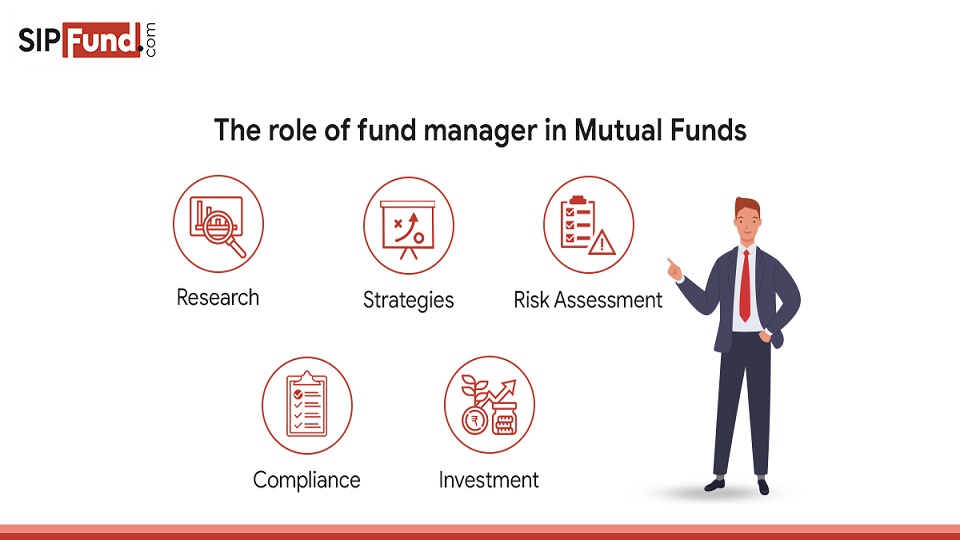
Mutual funds are actively managed investments.
A professional fund manager:
- Studies companies
- Picks stocks
- Decides when to buy/sell
The goal is to beat the market.
This is called active investing.
Types of mutual funds:
- Large Cap Funds
- Mid Cap Funds
- Small Cap Funds
- Flexi Cap Funds
👉 Basics of mutual funds:
https://www.amfiindia.com/investor-corner/knowledge-center
Index Funds vs Mutual Funds (Quick Summary)
| Feature | Index Funds | Active Mutual Funds |
|---|---|---|
| Management | Passive | Active |
| Goal | Match market | Beat market |
| Expense ratio | Very low | Higher |
| Risk | Moderate | Moderate–High |
| Returns | Stable | Variable |
| Suitable for | Beginners | Intermediate investors |
How Returns Actually Compare in India

4
This is the most important part 👇
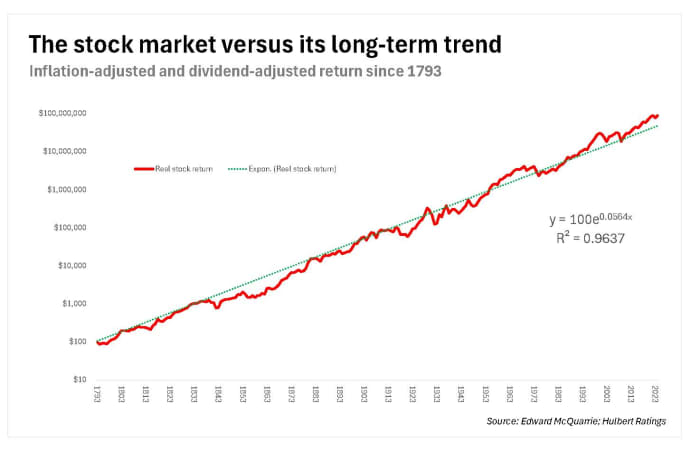
Average Long-Term Returns (10+ years)
| Investment | Avg Return |
|---|---|
| Nifty Index Fund | 12–14% |
| Large Cap Fund | 11–13% |
| Mid Cap Fund | 14–16% |
| Small Cap Fund | 16–18% |
But here’s the shocking truth:
👉 80% active large-cap funds fail to beat the index.
Why?
- Fund manager mistakes
- High fees
- Market efficiency
This is why index investing is becoming popular.
Expense Ratio: Hidden Cost That Kills Returns
Expense ratio = annual fee charged by fund.
| Fund Type | Expense Ratio |
|---|---|
| Index Fund | 0.1% – 0.3% |
| Active Mutual Fund | 1% – 2% |
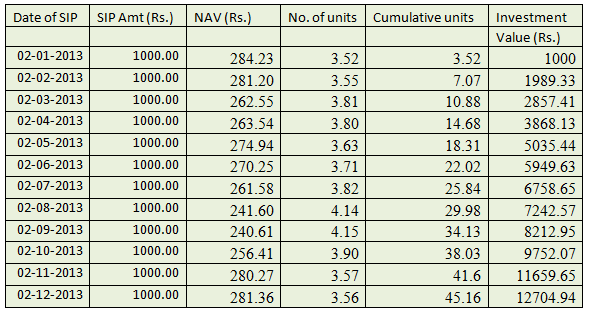
That difference looks small, but over 20 years it becomes huge.
Example Calculation
Investment: ₹10,000/month for 20 years
| Fund Type | Wealth Created |
|---|---|
| Index Fund | ₹1.2 – ₹1.4 crore |
| Active Fund | ₹1.0 – ₹1.2 crore |
Lower fees = higher long-term wealth.
Step-by-Step Guide: How to Choose Between Index & Mutual Funds
Step 1 — Decide Your Investing Style
Choose Index Funds if:
- You want simple investing
- You don’t trust fund managers
- You want low fees
Choose Active Funds if:
- You want higher growth potential
- You accept fund manager risk
Step 2 — Understand Market Phases
Index funds perform best when:
- Markets are stable
- Large companies dominate
Active funds perform best when:
- Markets are volatile
- Small/mid caps grow fast
Smart investors use both.
Step 3 — Decide Investment Goal
| Goal | Best Choice |
|---|---|
| Retirement | Index Funds |
| Wealth Creation | Both |
| Aggressive Growth | Active Funds |
Step 4 — Choose Investment Amount
| Monthly SIP | Strategy |
|---|---|
| ₹1k–₹5k | Index Funds |
| ₹5k–₹15k | Index + Flexi Cap |
| ₹15k+ | Full diversified portfolio |
Advantages of Index Funds
- Very low fees
- Simple and beginner friendly
- No fund manager risk
- Stable long-term returns
- Perfect for SIP investing
Best platforms to start:
Advantages of Active Mutual Funds
- Potential to beat market
- Better performance in mid/small cap
- Professional research team
- Higher short-term growth potential
Disadvantages of Index Funds
- Cannot beat market
- Market crash = fund crash
- Limited flexibility
But for beginners, simplicity is powerful.
Disadvantages of Active Mutual Funds
- Higher fees
- Fund manager risk
- Inconsistent performance
- Hard to pick winning funds
Many investors choose wrong funds and get poor returns.
Risk Comparison


4
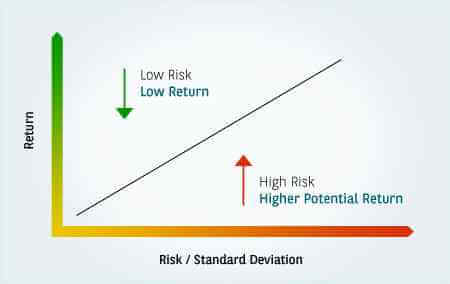
| Risk Level | Investment |
|---|---|
| Low | Debt Funds |
| Moderate | Index Funds |
| Moderate–High | Active Funds |
| High | Direct Stocks |
Index funds sit perfectly in the middle.
Ideal Portfolio Strategy for Indians
This is the best strategy for 90% investors:
| Investment Type | Allocation |
|---|---|
| Nifty Index Fund | 50% |
| Flexi Cap Fund | 25% |
| Mid Cap Fund | 15% |
| Small Cap Fund | 10% |
This gives:
- Stability + Growth
- Passive + Active mix
Example SIP Plan (₹10,000 Monthly)
- ₹5,000 → Nifty Index Fund
- ₹2,500 → Flexi Cap Fund
- ₹1,500 → Mid Cap Fund
- ₹1,000 → Small Cap Fund
This portfolio balances risk and reward.
Tips & Mistakes Beginners Must Avoid
❌ Mistake 1 — Chasing top-performing funds
Past returns don’t guarantee future returns.
❌ Mistake 2 — Investing in too many funds
3–4 funds are enough.
❌ Mistake 3 — Stopping SIP during crash
Market crashes = best buying opportunity.
✔️ Smart Investing Tips
- Invest regularly via SIP
- Stay invested for 10+ years
- Increase SIP yearly
- Avoid emotional decisions
Compounding works only with patience.
Who Should Choose Index Funds?
Choose Index Funds if:
- You are beginner
- You want passive investing
- You want low-cost investing
- You don’t track markets daily
👉 Best for long-term wealth creation.
Who Should Choose Active Mutual Funds?
Choose Active Funds if:
- You want higher growth
- You accept risk
- You invest long term
- You want exposure to mid/small caps
Final Verdict: Index Funds vs Mutual Funds
So which is better?
For Beginners → Index Funds Win 🏆
Simple, low cost, reliable.
For Growth Investors → Active Funds Win 🏆
Higher potential returns.
Best Strategy → Use BOTH 💡
Passive core + Active growth.
This is how smart investors build wealth.
Conclusion
Index funds and mutual funds are not competitors.
They are partners in long-term wealth creation.
Start with index funds. Add active funds gradually.
Stay consistent. Stay patient. Stay invested.
Your future wealth depends on decisions you make today.