
Introduction
Every new investor in India faces one big confusion:
Should I invest in mutual funds or buy stocks directly?
You hear success stories of people making lakhs in the stock market. At the same time, experts keep recommending SIPs and mutual funds as the safest path to wealth.
So which one is actually better?
This detailed guide will help you understand:
- The real difference between mutual funds and stocks
- Which option is safer and more profitable
- Which is best for beginners in India
- A clear strategy to choose the right one for YOU
By the end, you will know exactly where to invest your money in 2026.
What are Mutual Funds?
4
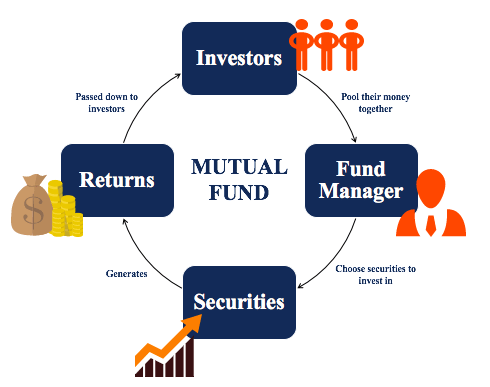
Mutual funds are professionally managed investment funds.
Instead of you picking stocks, a fund manager invests your money in:
- Stocks
- Bonds
- Gold
- Other assets
Your money gets pooled with thousands of investors.
Simple Example
You invest ₹5,000 in a mutual fund.
That money is spread across 50–100 companies automatically.
This is called diversification.
👉 Learn basics of investing here:
https://www.investopedia.com/terms/m/mutualfund.asp
Types of Mutual Funds in India
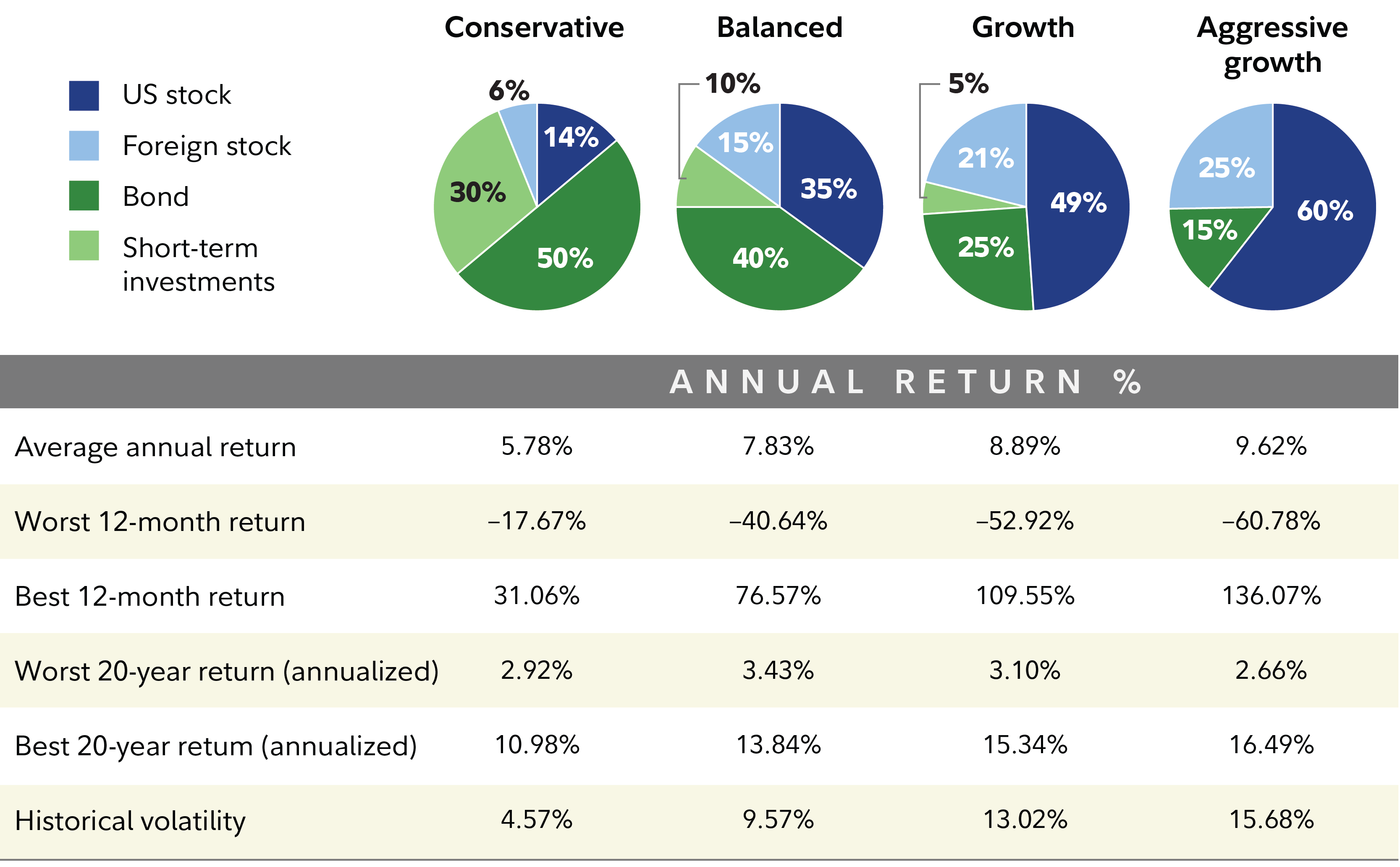
- Equity Funds – invest in stocks
- Debt Funds – invest in bonds
- Hybrid Funds – mix of both
- Index Funds – track Nifty/Sensex
Most beginners start with Equity Mutual Funds via SIP.
What are Stocks?


4
Stocks mean direct ownership in a company.
When you buy Reliance or TCS shares:
You become a partial owner of that company.
If the company grows → your money grows.
If the company falls → your money falls.
Example
You buy ₹10,000 worth of a company stock.
If stock rises 20% → you earn ₹2,000.
If stock falls 20% → you lose ₹2,000.
👉 Learn stock basics here:
https://www.moneycontrol.com/stocksmarketsindia/
This is why stock investing requires knowledge and research.
Mutual Funds vs Stocks: Quick Comparison
| Feature | Mutual Funds | Stocks |
|---|---|---|
| Risk | Low–Moderate | High |
| Skill Required | Low | High |
| Time Needed | Very Low | High |
| Returns | 10–14% avg | 12–25% possible |
| Diversification | Automatic | You must do it |
| Suitable For | Beginners | Experienced investors |
Returns Comparison (Reality Check)

4
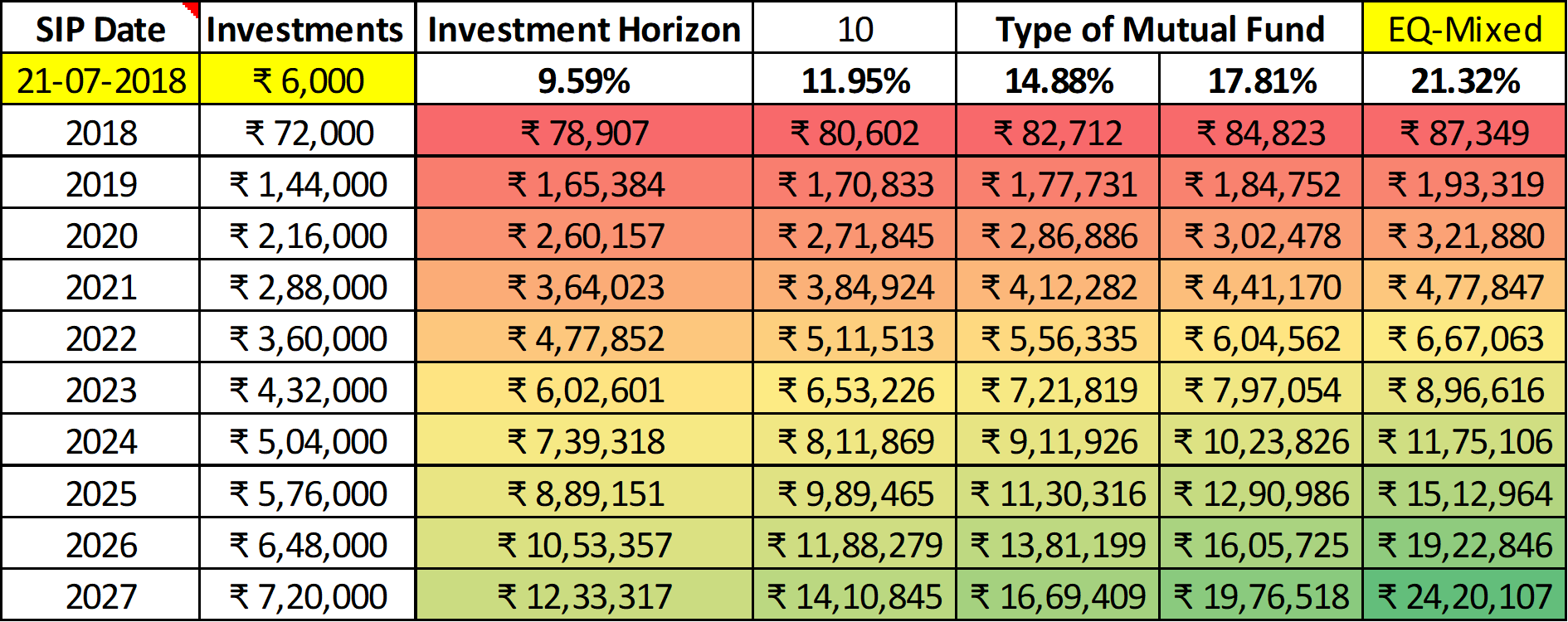
Mutual Fund Average Returns in India
- Large Cap Funds → 10–12%
- Index Funds → 12–14%
- Mid/Small Cap → 14–18%
Stock Market Returns
Top investors earn:
- 15–25% yearly
But average retail investors?
👉 Only 5–7% (because of mistakes)
This is the truth most YouTubers don’t tell.
Step-by-Step Guide: How to Choose Between Mutual Funds & Stocks
Step 1 — Ask Yourself This Question
Do you want to:
- Spend time learning markets daily?
OR - Invest and forget?
If you want passive investing → Mutual Funds
If you enjoy market research → Stocks
Step 2 — Check Your Risk Level
Choose Mutual Funds if:
- You fear market crashes
- You are beginner
- You want stable growth
Choose Stocks if:
- You accept losses
- You want higher returns
- You enjoy finance news
Step 3 — Check Time Availability
Stocks require:
- Reading financial news
- Studying company results
- Tracking markets daily
Mutual Funds require:
- 10 minutes per month (SIP)
Step 4 — Check Investment Amount
| Monthly Investment | Best Choice |
|---|---|
| ₹1k–₹10k | Mutual Funds |
| ₹10k–₹50k | Both |
| ₹50k+ | Stocks + Funds |
Advantages of Mutual Funds
- Beginner friendly
- Professional fund managers
- Automatic diversification
- SIP option (invest monthly)
- Less emotional investing
- Lower risk of big losses
Best platforms to start:
Advantages of Stocks
- Higher wealth creation potential
- No fund manager fees
- Full control of investments
- Possibility of multibagger returns
- Dividend income
Example:
Investors in Infosys & HDFC Bank created massive wealth.
Disadvantages of Mutual Funds
- Expense ratio (small fee)
- Slightly lower returns than top stocks
- No control over stock selection
But for beginners, these are small drawbacks.
Disadvantages of Stocks
- High risk
- Emotional decisions
- Requires time & learning
- Big losses possible
- Many beginners quit after losses
This is why 90% beginners lose money in stocks.
Best Strategy for Indians (Recommended Portfolio)
Here is the ideal mix for most people:
| Investment Type | Allocation |
|---|---|
| Mutual Funds | 70% |
| Direct Stocks | 30% |
This gives:
- Safety + Growth
- Passive + Active investing
This is how smart investors build wealth.
Example Portfolio for Beginners
Monthly investment ₹10,000:
- ₹7,000 → Nifty Index Fund
- ₹2,000 → Flexi Cap Fund
- ₹1,000 → Direct stocks
This simple plan can create huge wealth over time.
Tips & Mistakes Beginners Must Avoid
❌ Mistake 1 — Investing without goal
Always invest for:
- Retirement
- House
- Kids education
❌ Mistake 2 — Trying to get rich quickly
Stock market is long-term game.
❌ Mistake 3 — Following tips & Telegram calls
Most tips are unreliable.
❌ Mistake 4 — Stopping SIP during market crash
Market crashes = Best time to invest.
✔️ Smart Tips
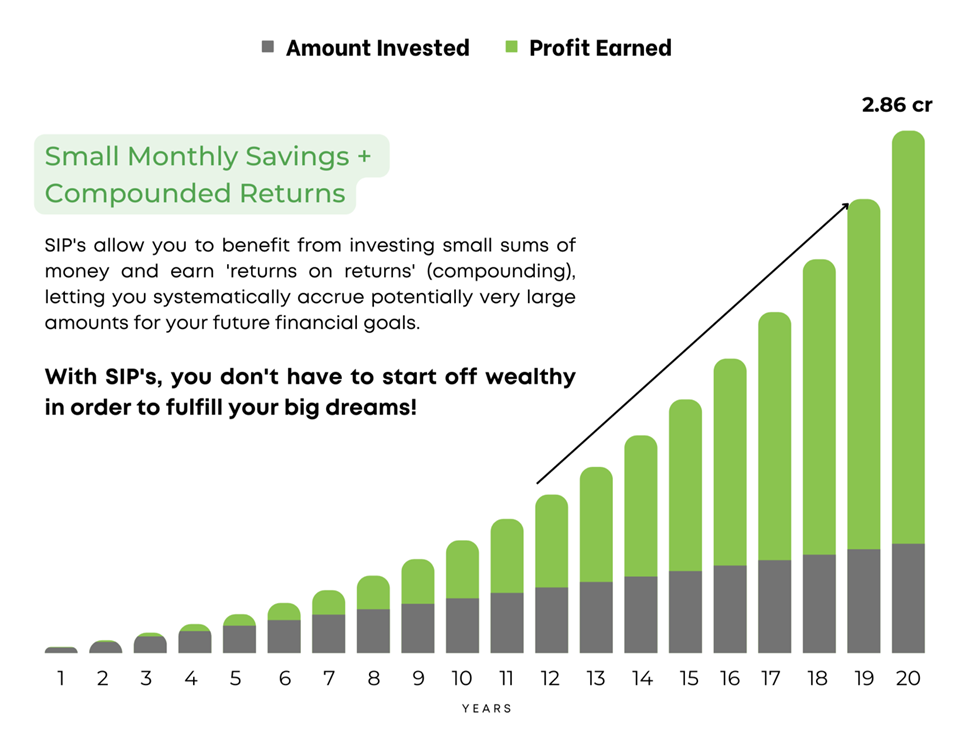
- Start SIP early
- Invest regularly
- Stay invested long term
- Increase SIP yearly
Compounding is your biggest weapon.
Who Should Choose Mutual Funds?
Choose Mutual Funds if you are:
- Beginner investor
- Busy professional
- Want passive income
- Want long-term wealth
👉 90% Indians should start here.
Who Should Choose Stocks?
Choose Stocks if you:
- Love finance & business
- Can study markets regularly
- Accept risk
- Want higher returns
Final Verdict: Mutual Funds vs Stocks
So which is better?
For Beginners → Mutual Funds Win 🏆
Safe, simple, and proven.
For Experienced Investors → Stocks Win 🏆
Higher returns possible.
Best Solution → Use BOTH 💡
Start with mutual funds, slowly learn stocks.
Conclusion
Mutual funds and stocks are not enemies.
They are partners in wealth creation.
Start simple. Stay consistent. Think long term.
The biggest mistake is not investing at all.
Start today. Your future self will thank you.